
The UK's accident and repair sector is losing skilled workers at a rate that threatens to drive up motor insurance costs and extend vehicle repair times for millions of motorists, according to new research from the Institute of the Motor Industry (IMI).
The study, titled Understanding the UK Accident & Repair Workforce, reveals the sector loses 4700 workers each year, while only 3000 enter the profession, creating a net loss of around 1700 as retirement and industry exits outpace the arrival of new entrants.
This labor gap creates capacity constraints for bodyshops, which leads to longer claims handling periods and higher expenses for insurers regarding courtesy vehicles and alternative transport, the IMI claims.
Nick Connor, IMI CEO, emphasised the systemic risks posed by these figures. “The entire motor claims system depends on a workforce that is skilled for current and new technologies,” he said.
“However, our analysis shows that employers are not currently recruiting and retaining talent in key areas of the accident and repair ecosystem as individuals either retire or move into other sectors. And this is having a damaging effect on both customer satisfaction for insurers and indemnity costs.”
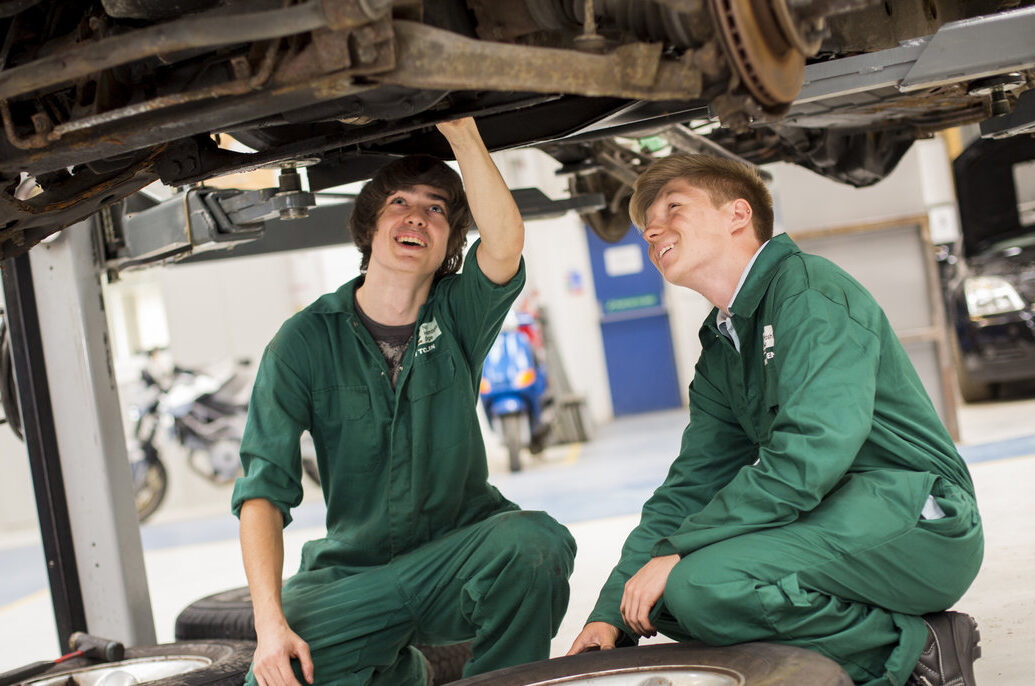
The report identifies paint and glazing as the areas facing the most significant shortages. In the paint technician category, annual exits double the number of new recruits, with only 12% of the current workforce aged under 25.
The IMI attributes this imbalance to a training system that favors general accident repair over specialist roles. Furthermore, the rise of electric vehicles and advanced driver assistance systems (ADAS) is expected to increase technical demands on the remaining workforce.
The IMI is now calling for a coordinated effort to increase recruitment, align training with specific trade demands, and improve retention.
“Apprenticeship starts across key pathways have not grown, and in some cases have declined leaving the sector without the talent pipeline it urgently needs,” added Connor. “We have a training system that is not aligned with demand with the result that employers are struggling to find paint technicians and glaziers because the pipeline predominantly produces generalists. That misalignment has to be addressed.
“The IMI will therefore advocate on behalf of the sector to government as well as the wider industry to drive change. The accident and repair workforce underpins the entire motor claims ecosystem in this country. Protecting that workforce is not just a matter for bodyshops and garages - it is a matter for insurers, fleet operators, and ultimately for every driver who needs their vehicle repaired.”


Go to comments