

What price is an end-of-the-road Ford Focus, the UK’s most scrapped car?
The answer, a major salvage company told CAT, is £253. “Despite a turbulent global metal market the scrap price did not change significantly over the whole of 2025, being at its highest at £257 in July and dropping to it's lowest at £241 in August,” it said.
But they’re worth their weight in gold to the scrap vehicle market, which totals a value of £1.6 billion and is projected to double in less than a decade. The recycled auto parts market is expected to grow 8% annually through to 2033, according to a forecast from autorecyclingworld.com.
“Customers scrapping their cars are doing so for the same reasons they have for decades,” is the view of Liverpool-based scrap service CarTakeBack, who in just 20 years has amassed over 300 UK branches, as well as locations in Australia, Ireland, Spain, and New Zealand. “But it’s true that the rising cost of repairs has had an impact on the decision to scrap. Not only that, but the market is expecting a number of additional costs that we in the car recycling industry are yet to see the impact of – such as the VED increases coming in April. This will hurt owners of powerful old cars in [emissions] Bands L and M (registered after March 2001) facing a car tax of up to £790, which could make their tax more than their car is worth.
“Add to that the normal running costs and some unexpected repair bills and the decision to scrap may well come earlier than those owners hoped.”
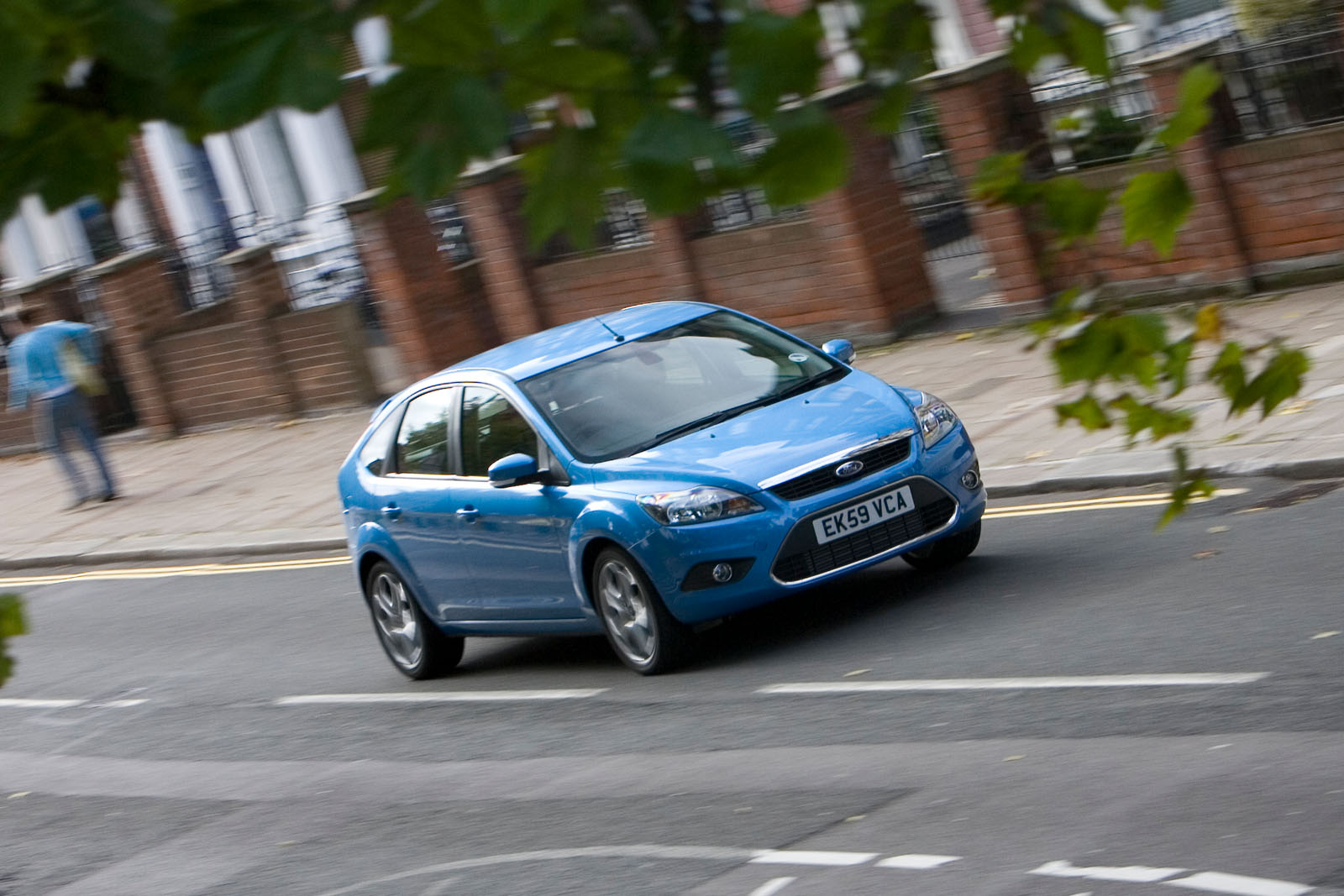
According to CarTakeBack, the UK's average scrap car is a 17 year old (up from 14 years in 2015) petrol Ford Focus with 125,000 miles on the clock. “In fact, the Focus has consistently been the most scrapped car for the last decade – taking over from the Fiesta,” it said.
How many vehicles are written off annually greatly differs. According to one claims management company, citing 2024 data from the Driver and Vehicle Licensing Agency, a total of 562,185 vehicles were recorded as written off – a 46% rise since 2017, equating to one vehicle every 60 seconds. However the Vehicles Recycling Association (VRA) says it’s closer to a million vehicles, via some 1200 dismantling specialists.
That said the actual percentage of UK collision write-offs making up the numbers is relatively low; the majority are end-of-life (ELVs), usually because the cost of keeping them safe and legal becomes unjustifiable, said CarTakeBack. The ELV Directive calls for 95% of a vehicle’s weight to be reused, recycled or recovered.
Mark Field, chief executive of the Independent Automotive Aftermarket Federation (IAAF), said: “The key issues relate to two key aspects: the cost of replacement parts making it uneconomic to repair a vehicle, and secondly, the rise in EV’s where the vehicle construction techniques and condition of the battery become the most important factors following an accident.”
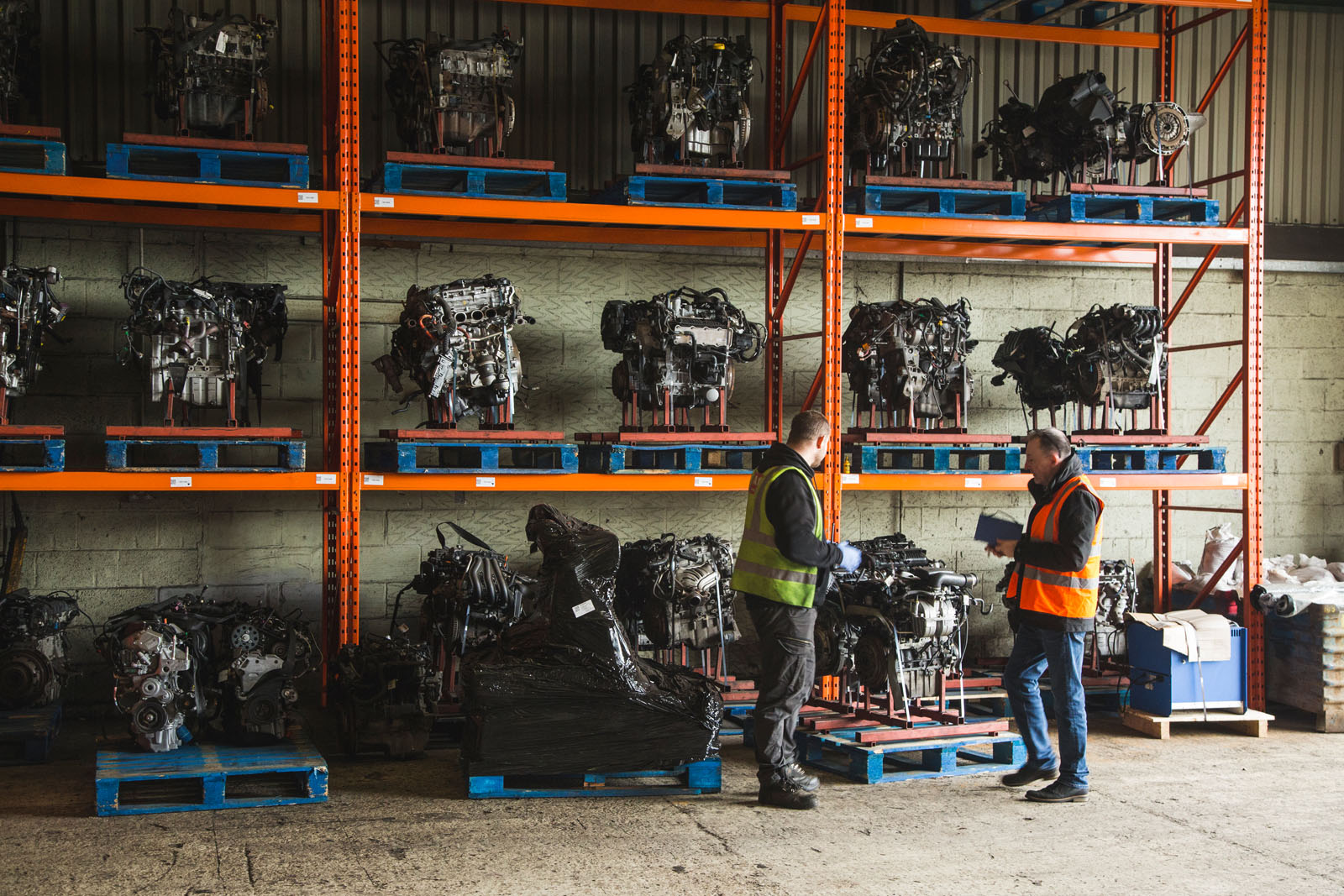
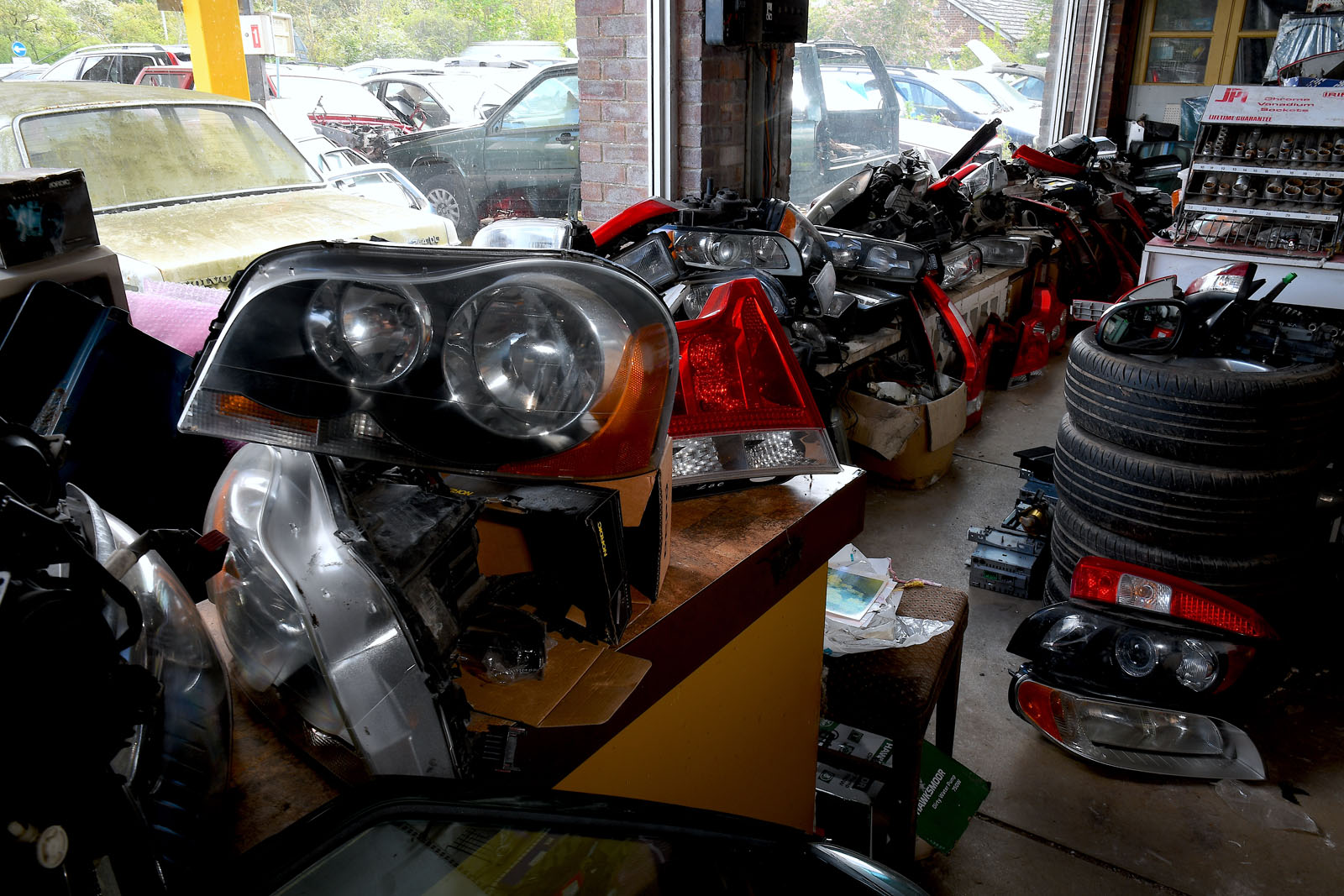
The days of slum ‘breakers’ yards’ are long gone. Once a vehicle is processed by an Authorised Treatment Facility (ATF) or breaker’s yard, the usable components are sold through both business-to-business and business-to-customer channels, with these often referred to as 'green parts'. Today’s green parts suppliers are large, professionally-run businesses that are fast becoming a lifeline for independent repairers. This was particularly evident during the COVID pandemic, when there was an acute shortage of semiconductors. An increasing proportion of repairers are embracing green parts, which are no longer seen simply as a cheap option. Andy Latham, chairman of the Vehicle Recyclers Association (VRA) says that trade acceptance particularly in the accident repair sector has soared from 57% in 2015 to 91% currently.
The British Vehicle Salvage Federation (VSF) was established in 1998 at the request of motor insurers, who required an industry representative body with which it could communicate on all matters affecting vehicle salvage and the repairing of accident-damaged vehicles. Launched by the then Minister for Roads, its members now represent some 85% of the vehicle salvage business in the UK.
However the IAAF warns of wider issues such as the introduction of stricter exhaust emission requirements and cybersecurity compliance into vehicle type approval. Field said: “This has introduced the issue of ’tampering’ whereby replacement parts can no longer be simply a second-hand part, a refurbished/remanufactured parts or even any non-OEM part, as the vehicle manufacturers seek to ensure that the vehicle remains compliant with the original type approval and avoid the risk that these non-OEM parts may ‘tamper’ with the ability for the vehicle to remain compliant.”
The IAAF has worked with its EU partner associations to alert the legislator to the ‘distortion of the market’ that these type approval requirements have introduced, and is doing so with the UK Government.
“Thankfully, the EU legislator has recognised the issues and is planning to introduce the requirement that ‘tampering' and ‘cybersecurity' cannot be used to disadvantage the [industry],” said Field. “However, to achieve the ability to supply second-hand hand parts, refurbished/remanufactured parts and allow non-OEM parts to be fitted, there is likely to be the need to have a process to test and verify that the replacement part is compatible with the vehicle's specifications and have a certificate that would allow the part to be fitted and integrated into the vehicle”.
Some vehicle manufacturers are already doing this as part of the wider ‘green economy’ to re-use parts where the principle is to ‘repair and not replace’. Parts suppliers need to be able to access and use this process, and avoid premature scrappage by providing more economical repairs.
That said, added reassurance and credibility to green parts was given thanks to the result of a collaboration between the UK’s largest salvage outfit SYNETIQ and LKQ Europe, amalgamating new aftermarket parts and certified remanufactured parts together with quality-assured recycled parts into a single catalogue to give workshops and body shops greater choice and flexibility.
“This joint venture is a major milestone in our mission to put sustainable, affordable mobility within reach of every workshop and bodyshop in Europe,” said Andy Hamilton, President and Executive Managing Director, LKQ Europe. “By combining SYNETIQ’s dismantling and recycled parts expertise with LKQ’s unmatched parts catalogue and logistics footprint, we will give customers genuine choice, reduce the carbon footprint of repair, and stay ahead of evolving European regulation”.
Nearly two years ago, green parts specialist ASM Auto Recycling purchased a job lot of 300 flood damaged Jaguars and Land Rovers from a dealer, making the Oxford based company with its 20 acre complex one of the UK’s largest reclaimed parts suppliers for JLR vehicles. Apart from hard cash savings, it’s good for the environment too. For example, ASM claims to have ‘diverted’ more than 100,000 parts from disposal, equating to a saving of 20,000 tonnes of carbon emissions.
CarTakeBack provides an additional service to the aftermarket automotive industry, including garages, MOT Centres, car dealers and vehicle manufacturers, by offering their customers a scrap car recycling service when a vehicle is beyond repair or eventually becomes a trade in. Businesses can set up an account with CarTakeBack to make the process even easier for them and their customers to get an instant online quote for their old car.

Go to comments